This blog also appears in Spanish at https://www.garciamedia.com.ar/disenar-un-libro-sobre-ia-sin-morir-en-el-intento/
By Rodrigo Fino, Senior Art Director, Garcia Media Latinoamerica
Designing an AI Book Without Losing One’s Soul
Overview
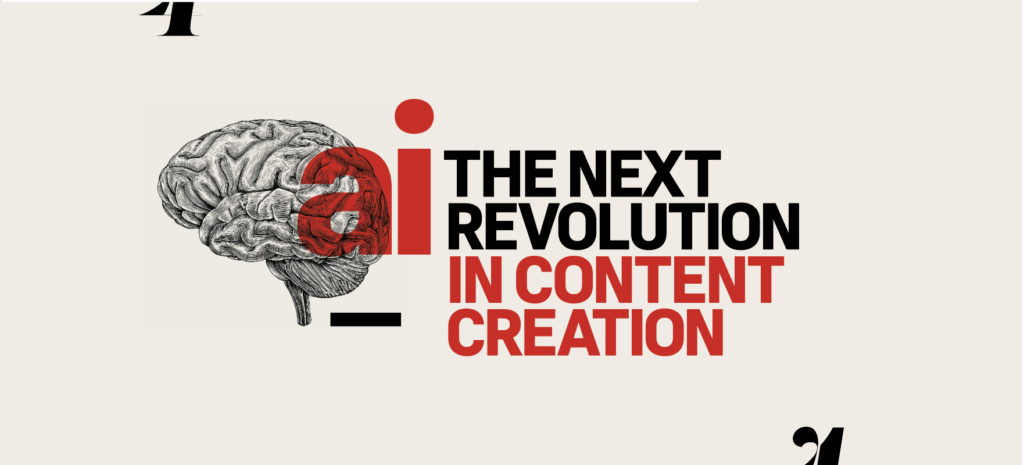
A reflection on the design process behind Mario García’s book on artificial intelligence, AI: The Next Revolution for Content Creation, crafted for an audience of discerning designers and journalists.
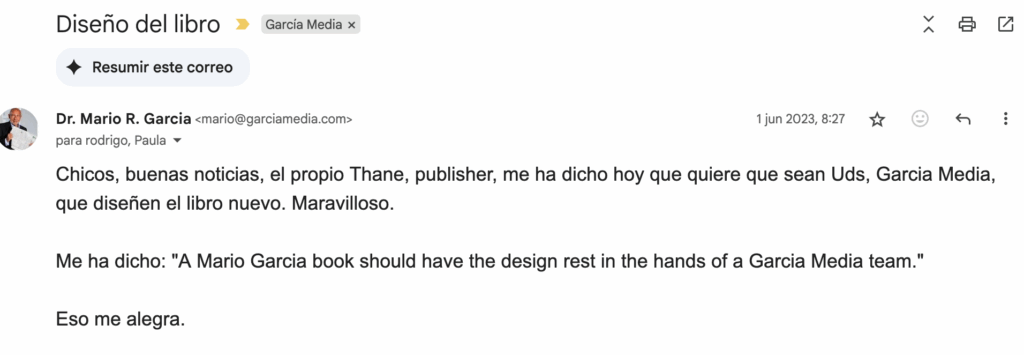
When I awoke, the email was there—a subtle nod to Augusto Monterroso, the Guatemalan maestro of the world’s shortest story. Though brevity eludes this narrative, candor does not.
The thrill was immediate, a surge of adrenaline coursing through me. Competing in a craft one loves is, for me, a sublime experience. Victory is sweet, but even in defeat, there is wisdom to be gained. Ideas cascaded like the Iguazú Falls, unstoppable, akin to a pulsing rock anthem. This was no ordinary project—it was a book by Mario García, my collaborator of over 26 years, now positioned as “the client” while I stood on the designer’s side of the counter. Moreover, it was a book about artificial intelligence, a subject that, in 2023, was as nascent and enigmatic as Monterroso’s dinosaur, stirring faintly in the cultural consciousness. To design, to read, to immerse oneself in the beast’s inner workings—a trifecta of intellectual delight.
This adrenaline fueled critical decisions before I even touched a pencil. Allow me a moment of pride: I acted decisively, guided by instinct and experience.
Strategic Choices
- Seizing the Moment: Some opportunities come but once. I chose to pause my university teaching for a semester, a deliberate act to dive into this new frontier—tool, technology, or something yet undefined in 2023? I devoured Mario’s research, poring over four lengthy manuscripts in English to reach the final draft. The greatest risk was inaction, especially upon realizing that AI, though newly vocalized, had been part of our lives for over four decades.
- Crafting a Symphony, Not a Single Note: This was not to be just another book. My background in music—drumming, to be precise—shaped my approach. I envisioned the book as a concept album, not a fleeting single but a cohesive work, reminiscent of 1970s progressive rock. You’d leave to buy bread, return 20 minutes later, and the song would still be unfolding.
- Collaboration as Cornerstone: Designing a book demands teamwork, and this project required an exceptional ensemble. Mario, the author, scrutinized every line and image; Steve Dorsey, a meticulous Associate Editor, elevated every page; Thane&Prose, the publisher, granted creative freedom; and editors Christian Shagraw and Pauline Aguilera brought dedication to the process. Many hands, when guided by professionalism, do not muddle but refine, connected seamlessly through email and WhatsApp.
Sharing this experience, though uniquely mine, offers insights for others to enrich the design universe. What follows are key reflections, mindful of the fleeting attention spans of our era.
The Cover: A Visual Overture
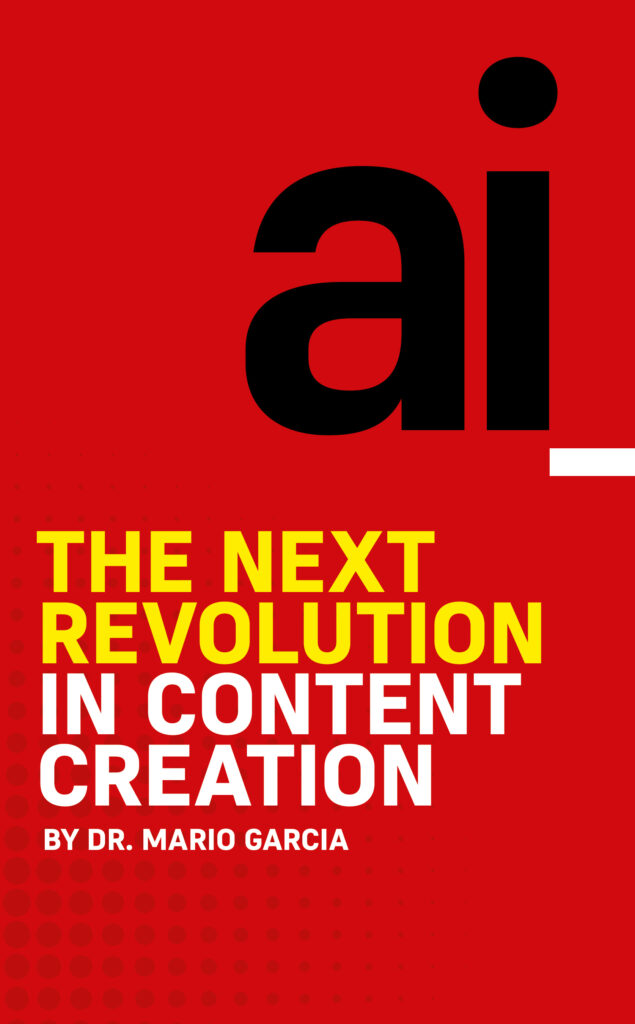
The cover is the reader’s first encounter, a moment of profound impact. Those initial seconds are critical. Asking Mario, “How do you envision your cover?” sparked a creative odyssey. The pause between sending the question and awaiting his reply felt eternal. I studied countless book and magazine covers, distilling three guiding principles: (1) impact, (2) simplicity, and (3) strategic use of color. I eschewed imagery for the cover, a choice rooted in intuition rather than redundancy. A “mosaic” of reference covers—call it a moodboard if you must—sparked exploration, after which I stepped away to let ideas simmer.
Mario’s response arrived: “I love the style of Massimo Vignelli’s covers.” A moment of self-reproach—how had I overlooked Vignelli?—gave way to alignment. His covers, devoid of images, relied on typography and color, mirroring my instincts. Listening to the client is paramount; design serves the user, not the designer. With Vignelli as the benchmark, I set to work.
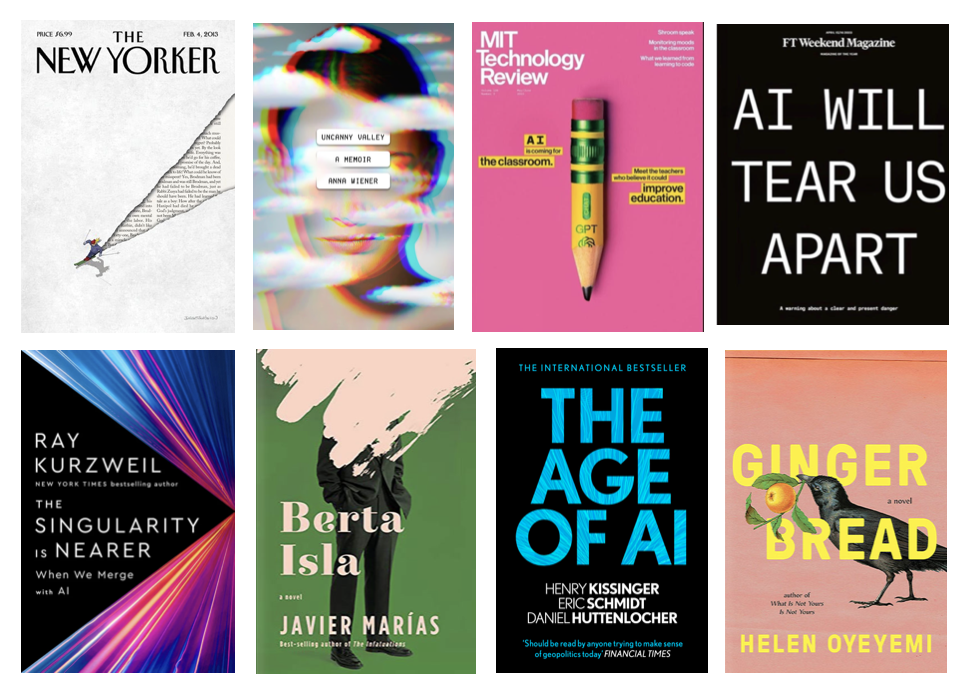
A mosaic of covers for reference and inspiration
Evolution of the Cover
- Reference Mosaic: A curated collection of covers to inspire.
- Initial Sketches: Morning drafts born from discarded ideas.
- Discarded Experiment: A trial with a background image and dominant color, ultimately rejected.
- Final Cover: A bold, imageless design with striking typography and color, achieving the desired visual punch.
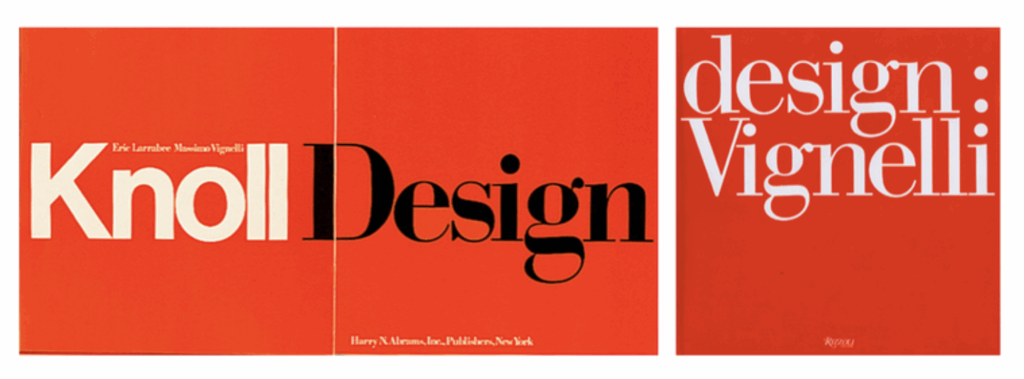
Cover references sent by Mario
Structuring Narrative Typographies
The book’s structure was multifaceted, weaving a central narrative with ChatGPT-generated texts, uneditable prompts, expert contributions (AI Players), authorial insights (AI Tips, Pro Tips, AI Nuggets), and layered headings. This complexity demanded simplicity in execution. Roboto Serif and Supreme Sans Serif, paired with a restrained palette of black, red, gray, and white, brought clarity.
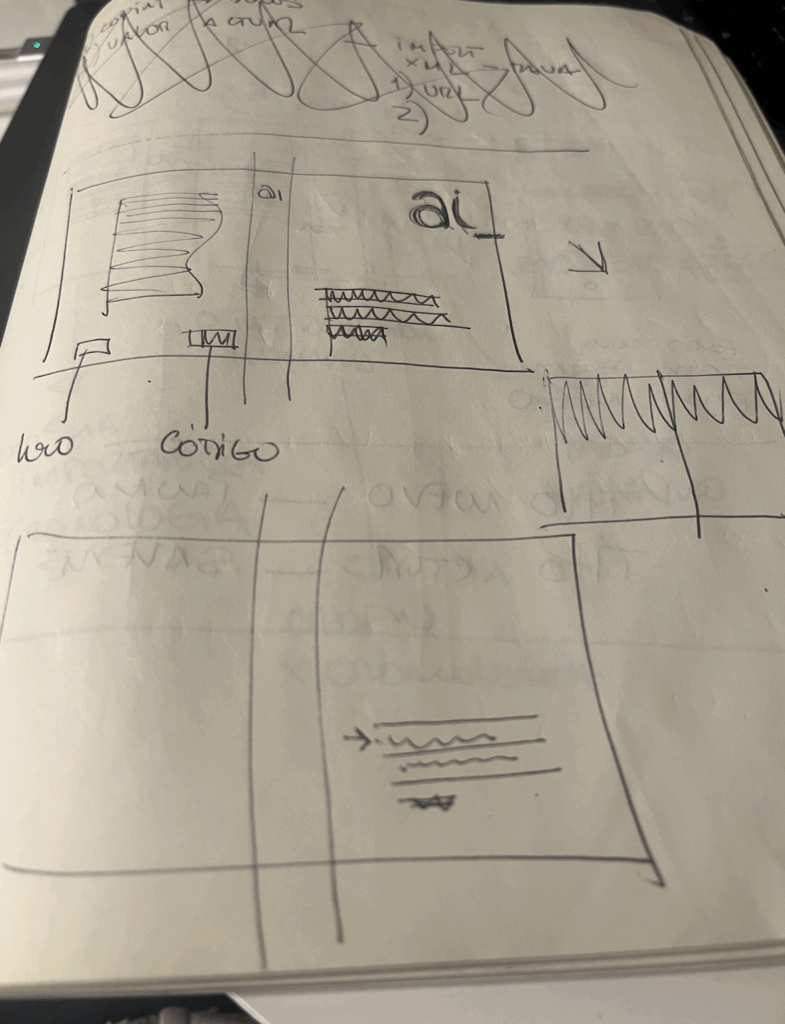
Sketches in the early morning
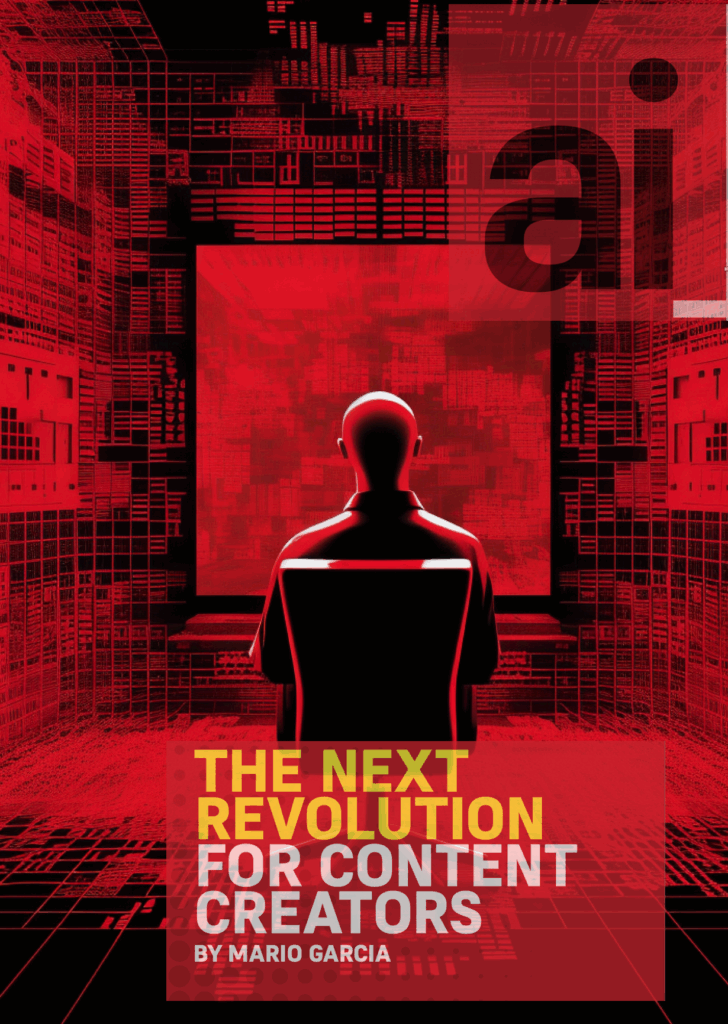
This cover was quickly abandoned: illustration with dominant color
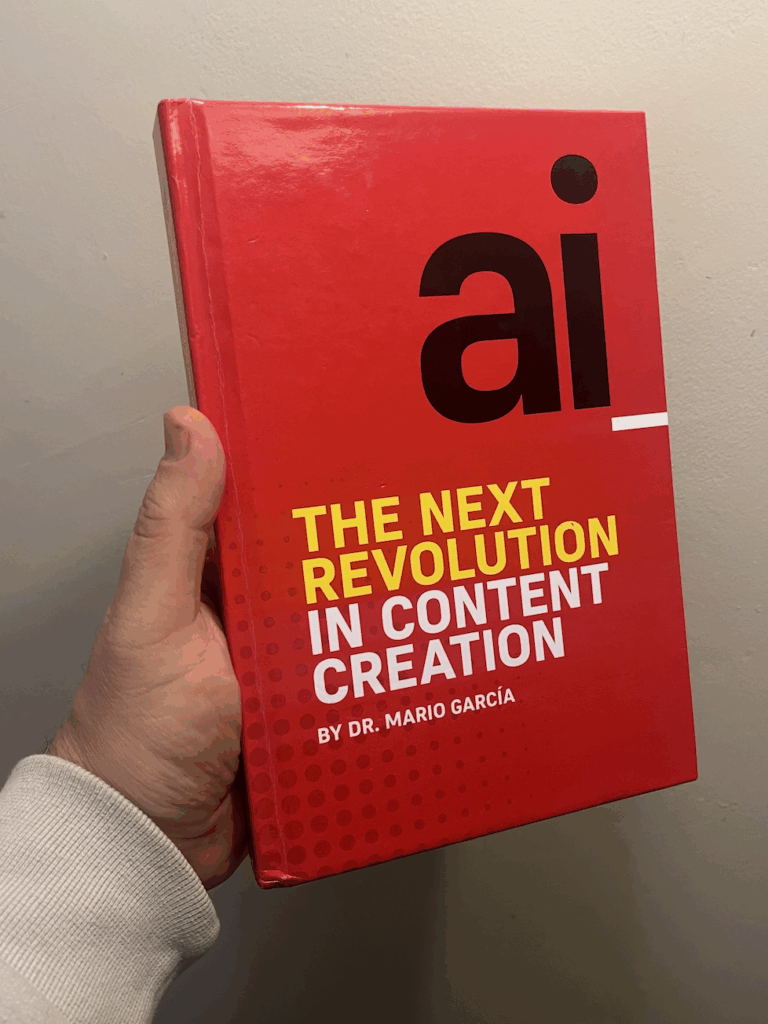
The final cover
A Controversial Choice
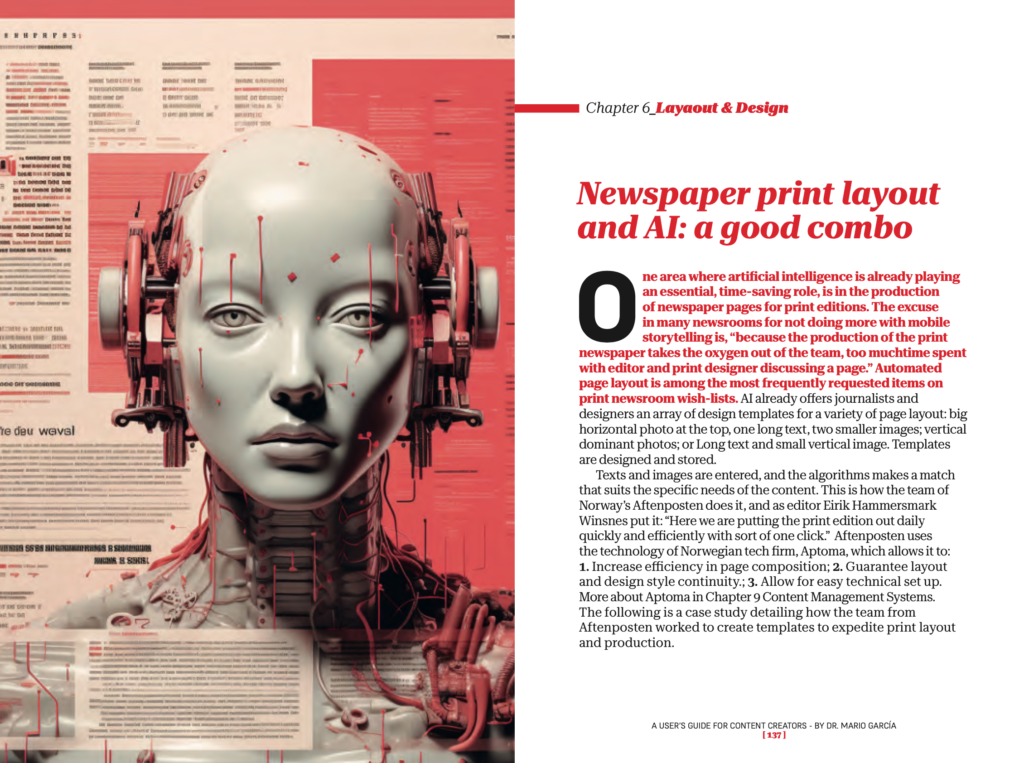
I opted for left-aligned, unjustified text—a decision not born of dogmatic rejection of justification but of legibility and flow. In English, word hyphenation is fraught with complexity due to pronunciation and syllabic structure. Left-aligned text enhanced readability, even if it meant additional pages, a trade-off for a superior reading experience. Critics, come forth, but spare me the insults.
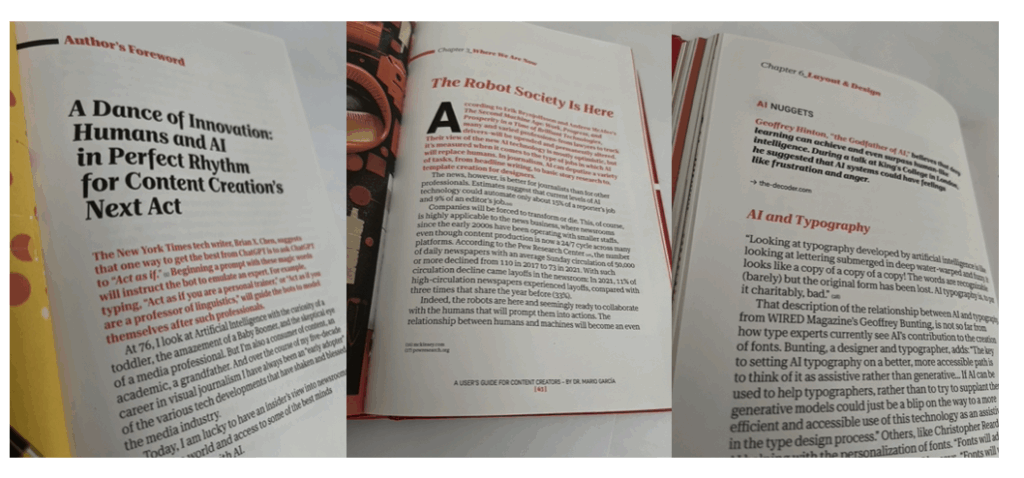
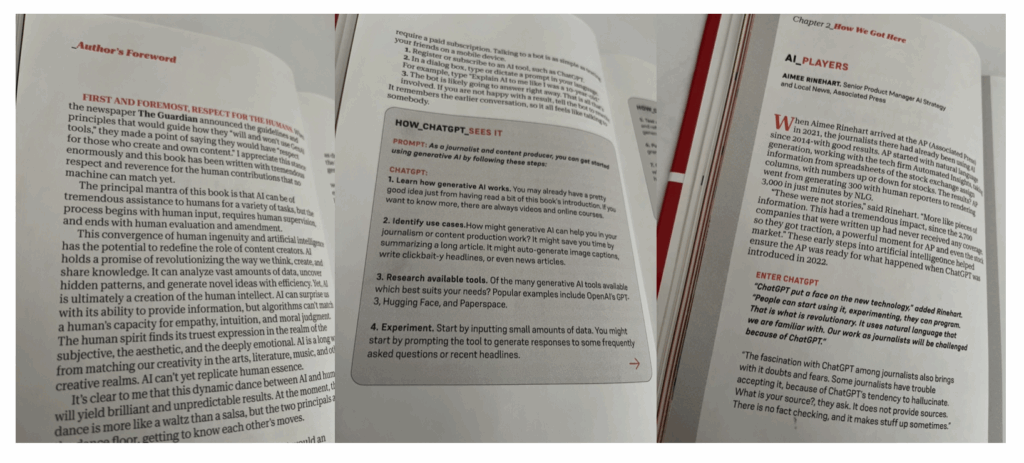
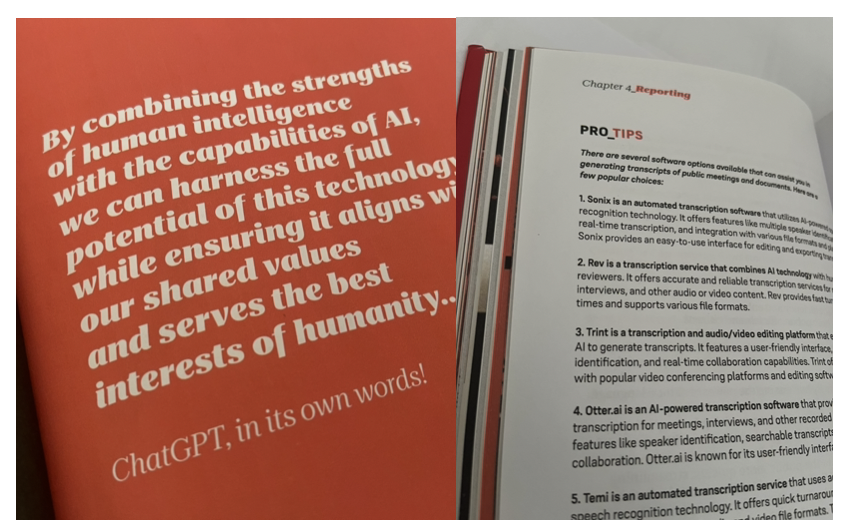
Interior page design
Typographic Details
- Chapter Openings: Bold and inviting, setting the tone.
- Narrative Elements: Varied typographies to distinguish subsections and quotes.
- Visual Harmony: Consistent fonts and colors to unify the complex structure.
The Image Conundrum
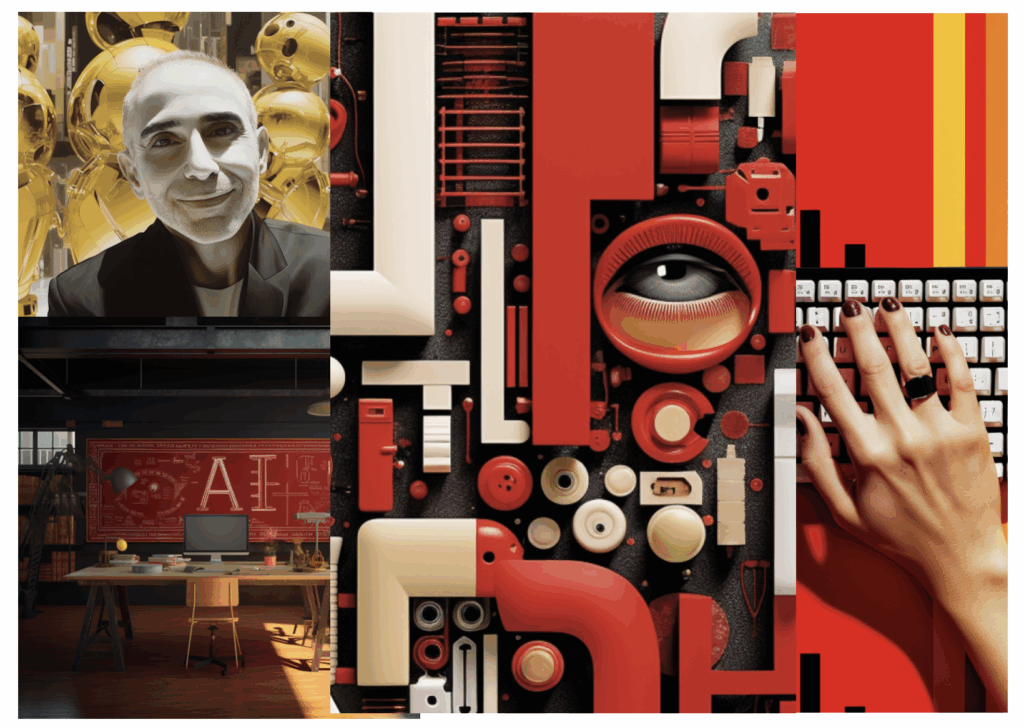
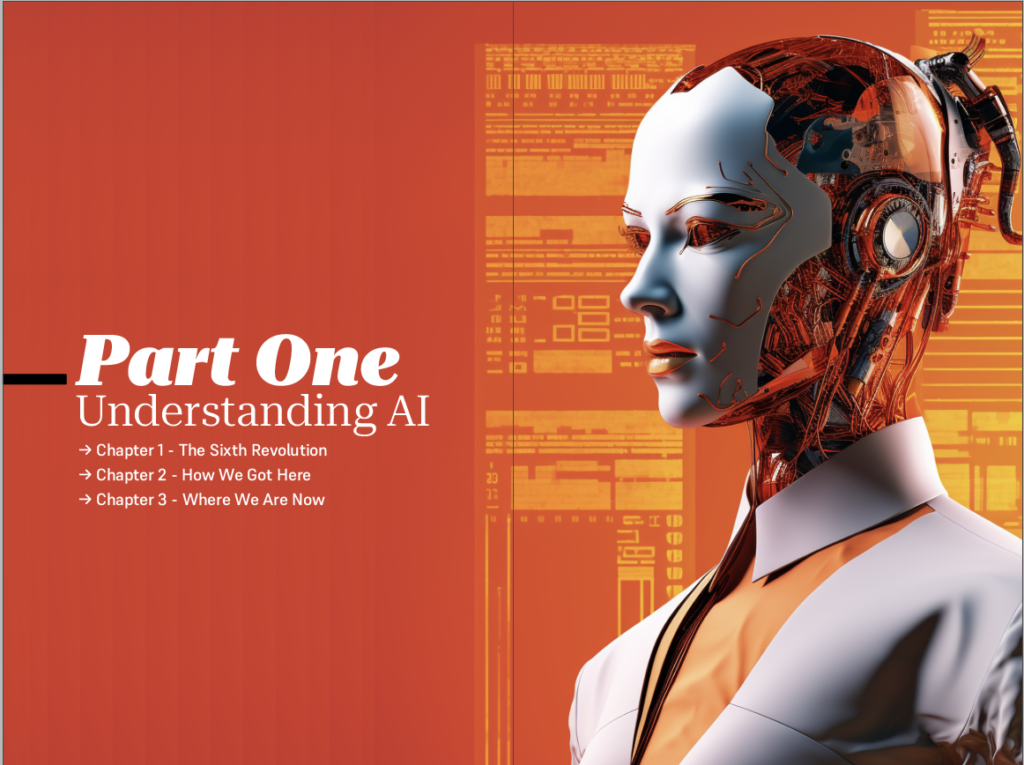
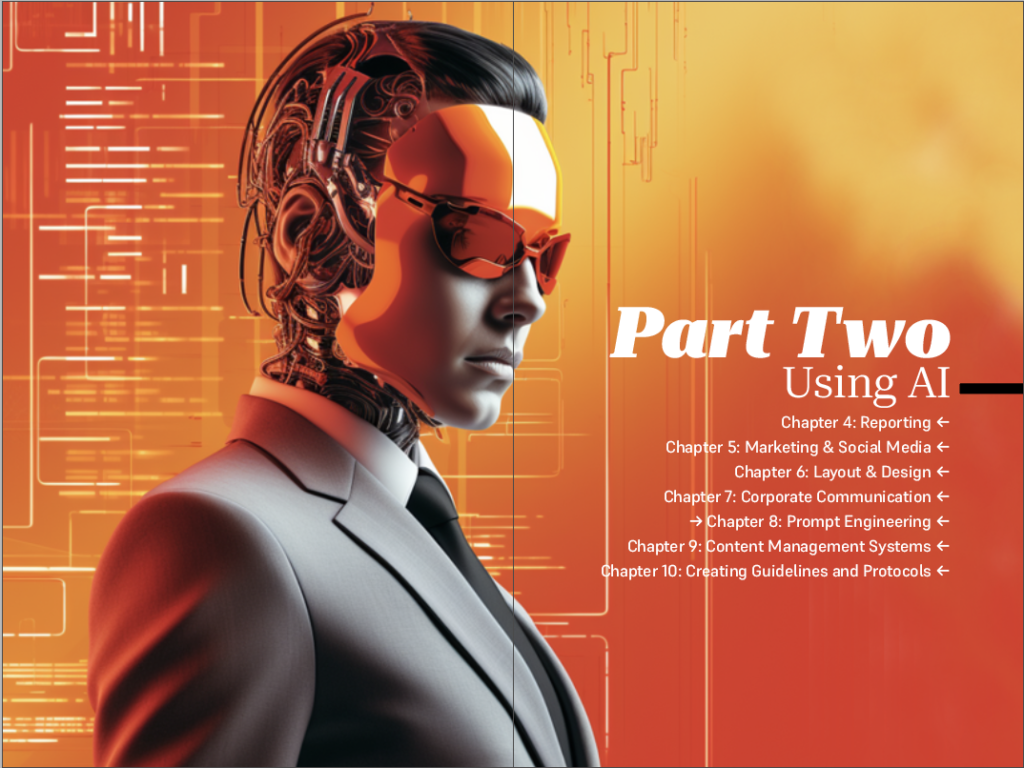
While the cover avoided imagery, the interior required illustrations, adhering to the limited color palette with the addition of yellow from the cover. A challenge loomed: no images existed for an AI book, and two illustration portfolios had been rejected. Time pressed forward. Mario’s experiments with MidJourney yielded images tailored to the text, infusing the chapters with personality.
Image Integration
- Curated Collage: A selection of MidJourney-generated images, aligned with the book’s narrative.
Conclusion: A Journey Worth Taking
The process was fraught with uncertainty, yet designing, laying out, and contributing to the editing was invaluable. Controlling details and pacing the rhythm of each chapter was a rewarding odyssey. Conviction in one’s ideas must coexist with humility—acknowledging the expertise of others fosters growth. Designing this book was akin to tailoring a bespoke suit, a privilege that demands respect for the voices of those who know more. In the end, we learn most from what we do not yet know.
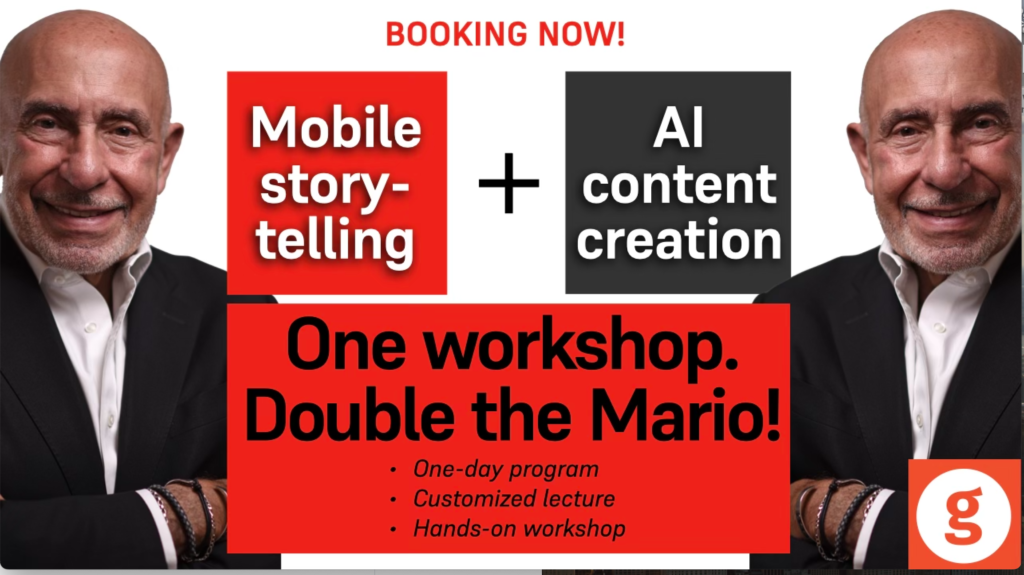
Workshop deals with the two big revolutions facing editors
For me, it is imperative that editors approach content creation thinking in terms of mobile first.
Mobile first involves the type of transformation where all content is prepared thinking from small to large platform. Thinking small platform does not mean that the reporter conceptualizing a story for mobile consumption should not think BIG. So, plan from small to large, but think big in terms of the story content and the visual assets that go with it.
While mobile first is still elusive to so many newsrooms around the planet, here we are, in 2024, faced with an even bigger challenge not just knocking at our doors, but already IN: Artificial Intelligence.
Transformation and a change of mentality to face these challenges is the first step. Training and education to tackle them with a sense of focus and direction is essential.
That’s where our Garcia Media workshops come in
Our Garcia Media Mobile Storytelling workshops introduce your editorial team to the way we write, edit and design for mobile platforms. This one-day program includes a presentation and a hands-on workshop. We’ve added a new segment about AI for content creation.
Newsrooms around the planet have gone mobile-first after a Garcia Media workshop!
Our Garcia Media Mobile Storytelling workshops are proven to introduce your editorial team to the way we write, edit and design for mobile platforms. It is a one-day program that involves a presentation (where I summarize my Columbia University class content), and follow it with a hands on workshop.
For details, to customize, and to book: mario@garciamedia.com
How we use AI
Honored to be mentioned here:
https://www.newsroomrobots.com/p/how-10-news-industry-leaders-use
Order my AI book here:
https://thaneandprose.com/…/preorder-ai-what-to-expect…
Here is a chance to pre-order my new book about Artificial Intelligence and content creation. The first 25 copies sold will be signed! Order here:
https://thaneandprose.com/…/preorder-ai-what-to-expect…
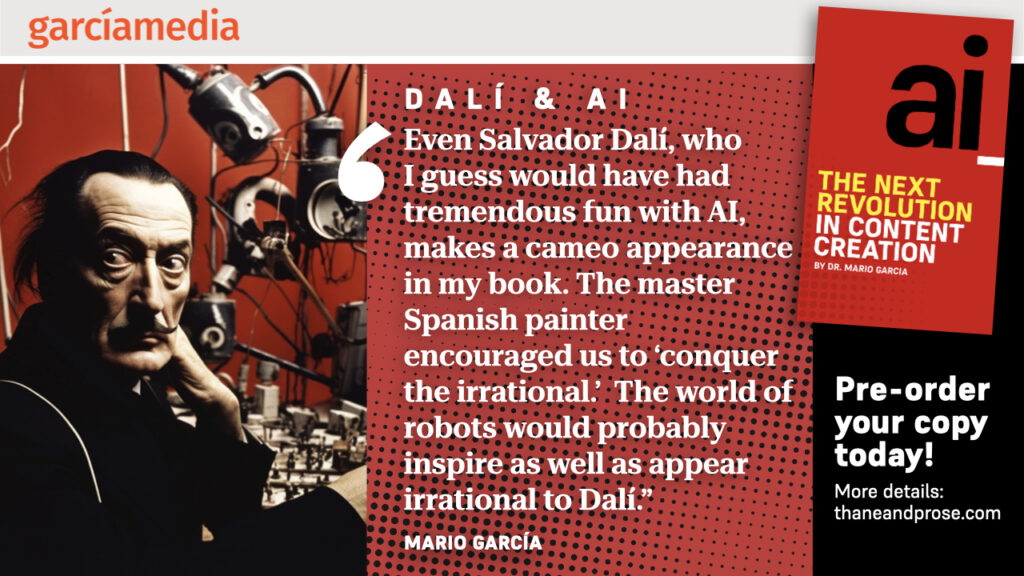
Reviews for AI book:
Did you read The Story yet?
I urge you to consult my latest book, The Story, a trilogy full of tips and explanations about mobile storytelling, which represents the latest genre for journalists to explore. See information below:
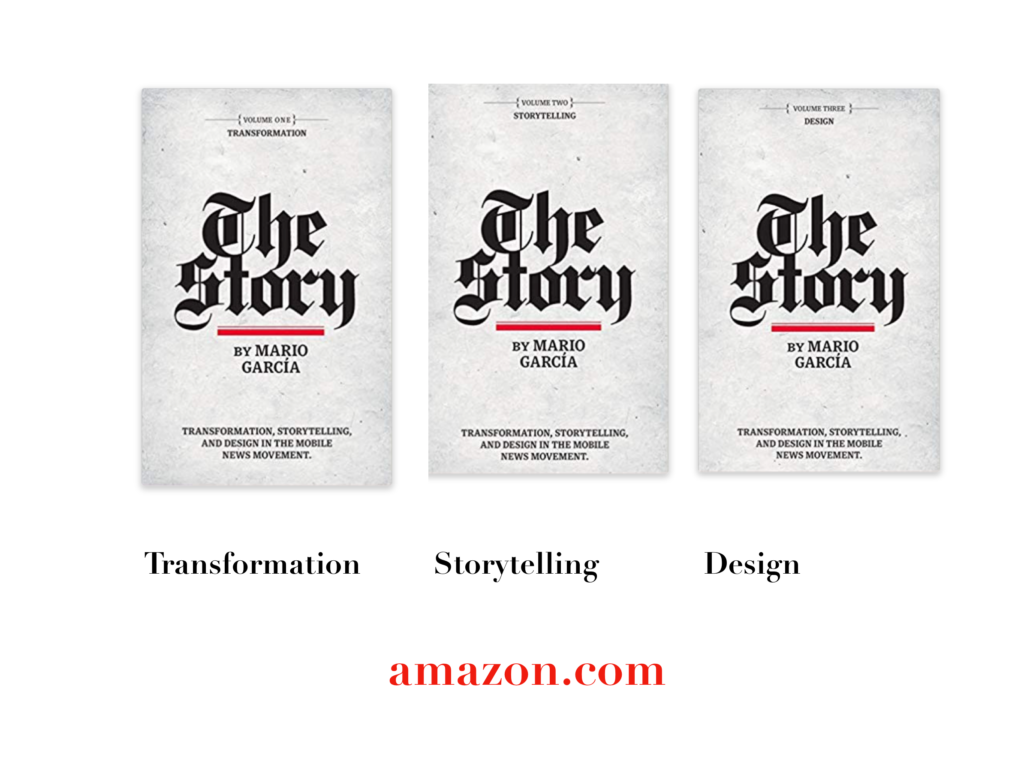
The full trilogy of The Story now available–3 books to guide you through a mobile first strategy. Whether you’re a reporter, editor, designer, publisher, corporate communicator, The Story is for you! https://amazon
Volume 1: Transformation
https://books.apple.com/us/book/the-story-volume-i/id1480169411
Volume Two: Storytelling
https://books.apple.com/us/book/the-story-volume-ii/id1484581220
Volume Three: Design
https://books.apple.com/us/book/the-story-volume-iii/id1497049918
Order the print edition of The Story, from Amazon, here:
TheMarioBlog post #4009