By Mario R. García
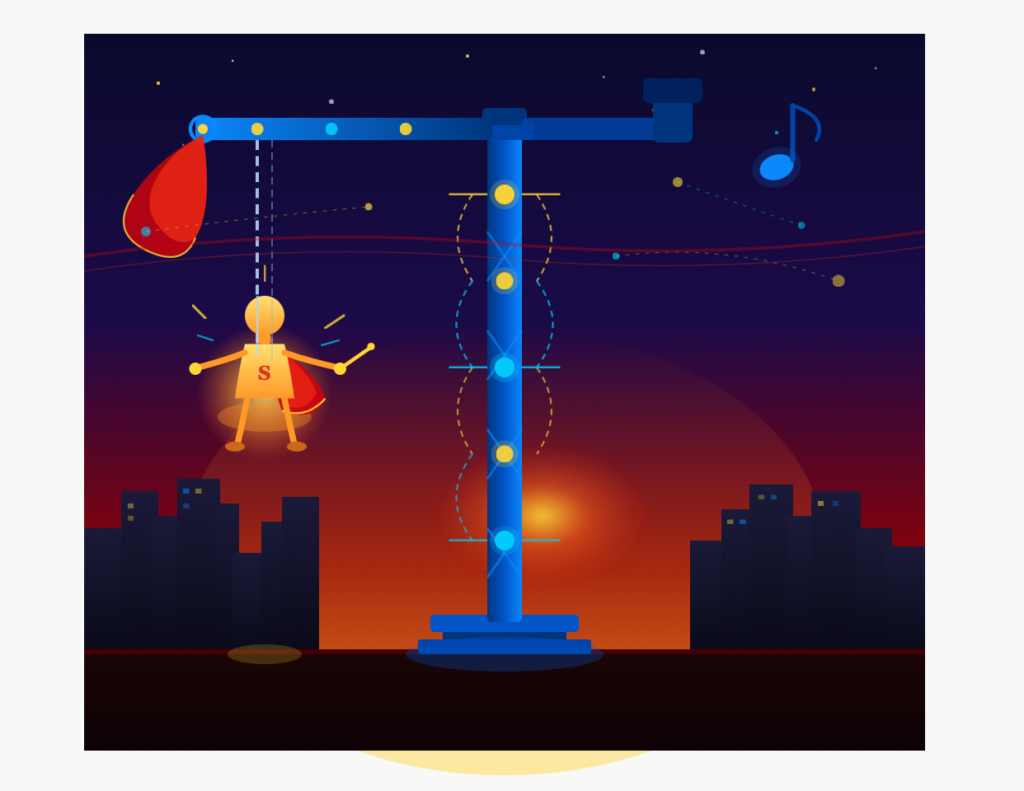
We have spent the last few years learning to use AI as a crane — that magnificent, tireless lifter of data, research, summaries, and repetition — so that our human Muse can do what it does best. Feel. Empathize. Bring the lived experience to the story. Wear the Billie Holiday gardenia or the Carmen Miranda tutti frutti headgear. Play the blue note. The crane carries the weight so we can design the cathedral.
But on the horizon, the crane is being rebuilt from the ground up.
McKinsey’s report confirms what physicists have been whispering for years: quantum computing is no longer a laboratory promise. Global revenues of quantum computing companies broke the $1 billion threshold for the first time in 2025, with investment into quantum start-ups surging to a record $12.6 billion — more than ten times the prior year. Private capital has all but replaced government funding, a sure signal that the market believes the technology is real and imminent.
Quantum computing, meet AI.
More importantly for those of us who work in media, journalism, and communication: quantum computing is already being married to AI. JPMorgan Chase has a dedicated team of scientists building quantum algorithms for AI use cases right now. The convergence is not theoretical. It is strategic, deliberate, and accelerating.
The result? A machine that does not merely lift more weight, but operates in an entirely different dimension of speed and possibility. Where today’s AI produces walls of gray — competent, adequate, forgettable — a quantum-enhanced AI could produce entire cities of gray, in milliseconds. But perhaps it will paint with a little bit of beige.
And this is precisely why the Scent of the Human has never mattered more.
I have argued in my Scent of the Human lectures and workshops that the most important role in any organization is not the one who manages the How — that is the crane’s job. The most important role is the one who inhabits the Why. The Chief Meaning Officer. The conductor who knows which note to play, and when to play the wrong one on purpose, because that is the note that makes the song feel true.
A bigger, faster, smarter crane does not change that equation. It intensifies it.
When the super crane arrives — and McKinsey is clear that 2026 marks the beginning, not the end, of this crossing — we will not need fewer Virtuosos. We will need Super Humans. People who can direct a larger orchestra with greater authority. Journalists who can smell the story that no algorithm, however quantum-accelerated, can generate on its own. Editors whose instinct for what matters cannot be replicated by a machine that has never grieved, never been surprised, never sat across a table from someone and known — before a single word was spoken — that this was the real story.
There is a detail in the McKinsey report that stopped me: China now leads the world in quantum computing research publications and patent applications. Europe leads in corporate adoption. The United States leads in start-up financing. Three different cultures, three different approaches to the same instrument. What none of them has produced — what none of them can produce — is the human being sitting in the conductor’s chair.
I have walked into newsrooms on six continents. The best ones were never defined by their technology. They were defined by the person who decided what mattered.
I agree with Wall Street Journal’s columnist, Peggy Noonan, who, in her tribute to CNN founder Ted Turner, wrote:
“….we need renegades, brigands and pirates, we want their visions and breakthroughs, we want their spirit—go for broke, trust your brain, be wild, insist, announce you are here.”
That chair remains empty until you take it.
The super crane is coming. It does not arrive with a driver. It does not come with judgment, courage, or the willingness to tell a story that makes someone uncomfortable because it is true. It comes with extraordinary power and no wisdom whatsoever. And no taste.
Your wisdom is the only thing it needs.
Read the McKinsey report here:
https://www.mckinsey.com/featured-insights/the-rise-of-quantum-computing
The Peggy Noonan column
https://www.wsj.com/opinion/is-america-still-making-ted-turners-15eb0c0a?mod=panda_wsj_author_alert
The Virtuoso Machine is coming
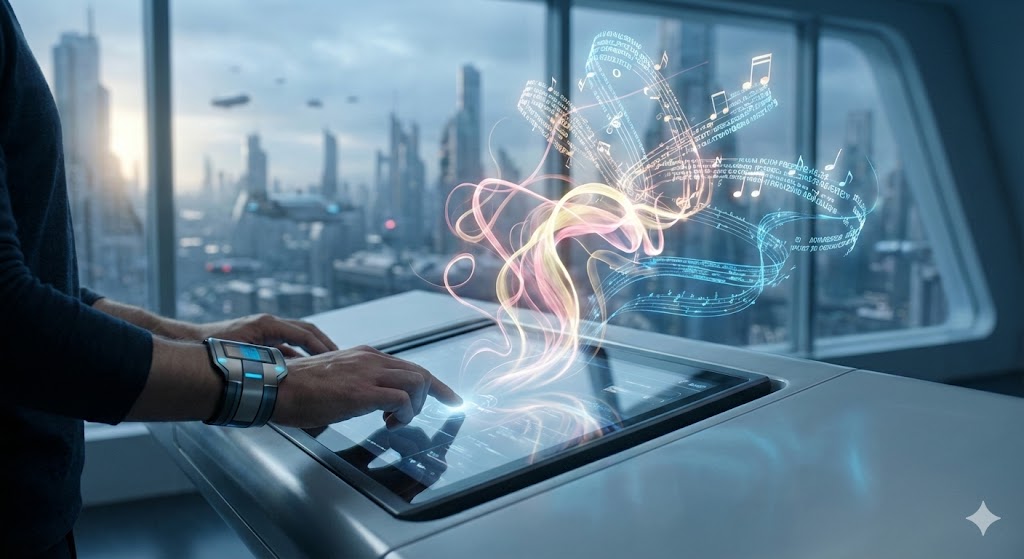
By the way, the topic of the blog post above is what my new book is all about. Titled The Virtuoso Machine: Finding the Scent of the Human at the Controls of AI, this book will be published by Forbes Books.
The Virtuoso Machine is an exploration of the “Big Divide” between the structured, data-driven world of AI (the “Library”) and the fluid, unpredictable nature of human intuition (the “Muse”). My argument is that “information can be automated, but intimacy cannot” and the book’s philosophy should serve as a vital North Star for leaders caught between fear and wonder.
Consulting with Heart

Consulting with Heart — my 17th book—is here! Ready to order. Thanks for making it already the #1 Hot New Release for Media & Communications Books at Amazon.com. Also available from Apple, Barnes & Noble, Target, Torchlight.
Written from my more than 200 diaries. Fueled by people I have met along the way in my journey through 122 countries, this book isn’t just about strategy. It is about my five-decade journey, 750+ projects and my role as an interpreter of dreams for my clients.
amazon.com/dp/1966629958; Apple Books – ebook
Workshop deals with the two big revolutions facing editors
For me, it is imperative that editors approach content creation thinking in terms of mobile first.
Mobile first involves the type of transformation where all content is prepared thinking from small to large platform. Thinking small platform does not mean that the reporter conceptualizing a story for mobile consumption should not think BIG. So, plan from small to large, but think big in terms of the story content and the visual assets that go with it.
While mobile first is still elusive to so many newsrooms around the planet, here we are, in 2024, faced with an even bigger challenge not just knocking at our doors, but already IN: Artificial Intelligence.
Transformation and a change of mentality to face these challenges is the first step. Training and education to tackle them with a sense of focus and direction is essential.
That’s where our Garcia Media workshops come in
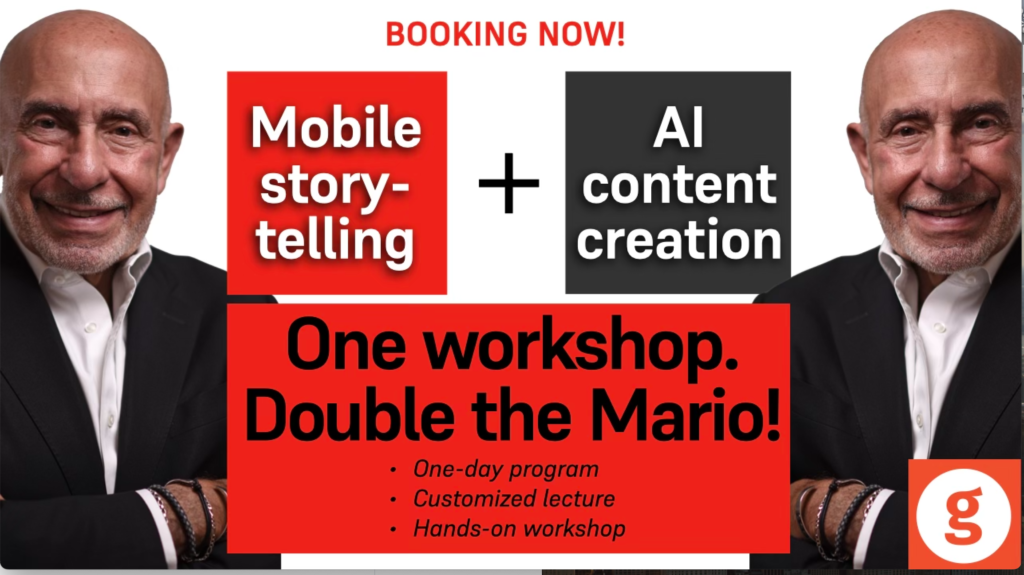
Our Garcia Media Mobile Storytelling workshops introduce your editorial team to the way we write, edit and design for mobile platforms. This one-day program includes a presentation and a hands-on workshop. We’ve added a new segment about AI for content creation.
Newsrooms around the planet have gone mobile-first after a Garcia Media workshop!
Our Garcia Media Mobile Storytelling workshops are proven to introduce your editorial team to the way we write, edit and design for mobile platforms. It is a one-day program that involves a presentation (where I summarize my Columbia University class content), and follow it with a hands on workshop.
For details, to customize, and to book: mario@garciamedia.com
How we use AI
Honored to be mentioned here:
https://www.newsroomrobots.com/p/how-10-news-industry-leaders-use
Order my AI book here:
https://thaneandprose.com/…/preorder-ai-what-to-expect…
TheMarioBlog post #4018